

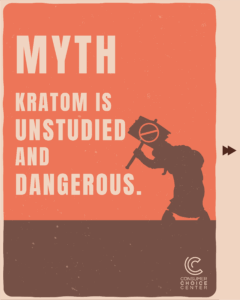
 The compound 7-Hydroxymitragynine (7-OH) is a natural metabolite of the kratom plant, traditionally used in Southeast Asia for its stimulant and pain-relieving effects. Users report 7-OH alleviates chronic pain, anxiety, PTSD, and opioid withdrawal, with its potency surpassing mitragynine, the plant’s primary alkaloid. Because these chemicals target the same brain receptors as opiates, many users take up these products as they aim to recover from opioid addictions. Researchers have also begun investigating whether kratom and its derivatives are helpful in alcohol withdrawal and recovery.
 As detailed by the few studies we have from scientific journals and reports, these products are much more affordable than traditional prescription opioids, reportedly offering pain management over several days with smaller doses.
Among pharmacological researchers, there is a general consensus that these compounds have some medical application that would warrant further study. One guide for healthcare providers published in the journal Frontiers in Pharmacology concludes that “use of kratom as an effective substitute is supported by preclinical research, which is of particular interest in light of the current United States opioid crisis of rising dependence rates, emergency room visits, and overdose deaths”.
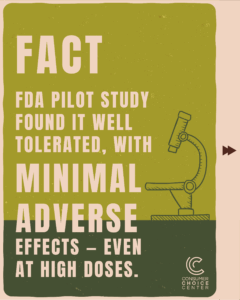
An initial pilot study conducted by the FDA in February 2024 to document the effects of kratom and its metabolites found that users “appeared to be well tolerated” to the compound, and found minimal adverse effects even at high dosages. As a follow-up, the FDA has opened grant opportunities for additional studies.
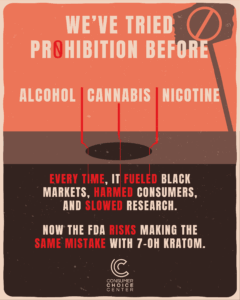 The FDA’s push to severely restrict and outright ban 7-OH disregards the very real scientific and medical evidence that warrant keeping this product legal and available, albeit in a more regulated system. By favoring prohibition, the FDA threatens to replicate the harms of cannabis and alcohol prohibition by driving users to dangerous illicit markets where neither quality nor dosage can be effectively controlled.
Rather than a drastic Schedule 1 status for 7-OH and its similar kratom derivatives, our public health authorities must make the responsible decision of offering a smart regulatory framework to protect consumers, children, and allow legitimate medical research that could provide additional benefits to society. Rhode Island’s recent law change supplicates this approach.
One such federal example is found in the Federal Kratom Consumer Protection Act (KCPA) introduced by Sens. Mike Lee (R-UT) and Cory Booker (D-NJ). This bill would create a national framework to ensure safety via testing, labeling, age restrictions, and require quality manufacturing practices. This appropriately recenters the supervision and regulation of these compounds at the federal level, providing uniform standards and control mechanisms to protect consumers in all 50 states.
Using smart regulatory policy to address 7-OH and similar kratom substances would help prevent overdoses, preserve legitimate access for pain and withdrawal management, and avoid needless criminalization and prohibition that would cause yet more societal harm.

Regulation ensures product testing, labeling, and age restrictions — reducing risks compared to large-scale illicit markets.

Criminalization denies adults safe and regulated access and drives use underground.

Supporting medical research to discover potentially less harmful alternatives to opioids.