


Prediction Markets: Is It Federal or State Business?
“We will see you in court,” is always a good opening shot — and those were the words of Mike Selig, Chairman of the Commodity Futures Trading Commission, today on X. Selig announced a “friend of the court” brief, filed in defense of its jurisdiction over “event contracts” — popularly known now as prediction markets.
The best-known players in this space, known to millions of Americans, include Kalshi and Polymarket, but also Coinbase and Crypto.com — where consumers can “bet” on trends and events ranging from rainfall amounts to performer lineups at the Super Bowl.
Dozens of state lawsuits have slammed this emerging industry across the country, and last week, a coalition of Democratic lawmakers sent a letter to the CFTC urging Selig to stay out of the way. The litigation ranges from tribal gaming disputes over sporting predictions to consumer class action claims.
For most observers, this industry came out of nowhere — but there is actual precedent for what we’re seeing on platforms like Kalshi and Polymarket. In 1992, the CFTC formally acknowledged the concept by granting regulatory relief to the Iowa Electronic Markets at the University of Iowa, where participants traded contracts linked to outcomes such as elections and corporate performance.
Later, HedgeStreet — now Nadex — brought event-style binary contracts to retail users, letting everyday traders take positions on common economic questions like mortgage rates and gas prices. So what changed?
The Super Bowl Effect
Super Bowl LX (2026) was a hinge moment for prediction markets in getting introduced to a much wider audience. $1.2 billion in trades were made on gameday alone. The whole prior week brought in $4.8 billion, a 12% increase from the week before that. Traditional wagers placed on Super Bowl LX through the state sportsbook were underwhelming to say the least. Nevada sportsbooks only saw $133.8 million in bets placed for the weekend game, a 10-year low for the state. In the end, sportsbooks netted $9.9 million, down from almost $22 million in 2025’s showdown between the Kansas City Chiefs and the Philadelphia Eagles.
The Seahawks may have taken home a trophy, but Kalshi’s victory was being number two spot in mobile app stores, three slots above DraftKings. Polymarket isn’t officially available in the U.S. outside of beta mode — unless you’re one of the millions who know how to work a VPN — a reminder of the limitations around digital regulation and currency.
As the United States is actively debating the ethics and function of consumer choice in sports betting, related to the landmark Supreme Court ruling in Murphy v. National Collegiate Athletic Association, which opened up sports betting to legalized sports betting — the issue of event contracts is rattling regulators who are trying to make sense of both markets at once — and reconcile conflicts between the two.
On The Question of Silliness
The matchup between the Seattle Seahawks and the New England Patriots was not particularly exciting — then there’s the fragmentation of betting beyond the borders of Las Vegas — and lastly, there’s the massive influx of consumers into prediction market apps like Kalshi and Polymarket. The consumer’s definition of fun is always changing, and for vast numbers of people, betting on games alone isn’t very enticing.
Game outcomes, spreads, and player props have limited appeal. That’s the coming divide we’re seeing between traditional sports bets and the fledgling world of prediction markets.
The Super Bowl is unique among sporting events in that it breaks out beyond the game and into popular culture without fail, every year. It’s a cultural moment, thus all the hoopla around the politics of Bad Bunny’s halftime show, plus the annual rollout of buzzy ads with expensive celebrity cameos.
Prediction exchanges free you to throw your spare $30 at who will win the coin toss, what color the Gatorade dump will be, or even how long the National Anthem will take.
Critics of gambling will always object to consumers throwing money into the wind, whether it’s slot machines, picking winners, or betting on how many songs Bad Bunny will perform. It’s all trivial, but no more trivial than a consumer’s freedom to spend gobs of money on custom fenders for their car or hundreds to thousands on podcasting gear.
At its most refined, betting is a trade on your knowledge and understanding of a game or market. Hardcore football fans get to recreationally trade on their niche understanding of player stats and the latest behind-the-scenes news from teams. So why not music and advertising enthusiasts who think they know a thing or two?
Will Prediction Markets Kill Sportsbooks?
Analysts predicting the end of mainstream sports betting, though, should cool their jets. The distinctions between sportsbooks and prediction markets are significant, and that’s expanding the pie rather than creating a winner-takes-all competition.
No, this isn’t a direct competition between sports betting and prediction markets. Its a matter of consumer preference and choice in both risk-taking and their set of skills in navigating a sports bet vs an event-contract.
Traditional sportsbooks force you to bet against the house at locked-in odds. Prediction markets let you trade contracts with other individuals through a clearinghouse, selling positions at any time as prices fluctuate based on market activity and the information participants input into the system. There are no house “adjustments.”
Because markets move so much faster than regulation, there are questions that need to be resolved. CFTC Chairman Mike Selig admitted as much on a Bloomberg podcast, saying: “We need clear rules of the road… not these little patchwork no-action letters,” referencing the exemptions that allow Kalshi and Polymarket to bypass traditional broker requirements.
Federal derivatives markets allow 18-year-olds to trade, and so newly minted adults are free to enter into contracts on prediction markets. Most states require sports bettors to be 21+, so there’s reasonable consternation here about the legitimacy of the age gates in the same way drinking and military service rules seem misaligned.
No matter how you look at it, it’s a remarkable market innovation no one saw coming a decade prior, and both systems of playing the odds can coexist as long as our rules are transparent and encouraging of orderly experimentation. For the time being, that authority is best left with the Commodity Futures Trading Commission, as Congress legislated.
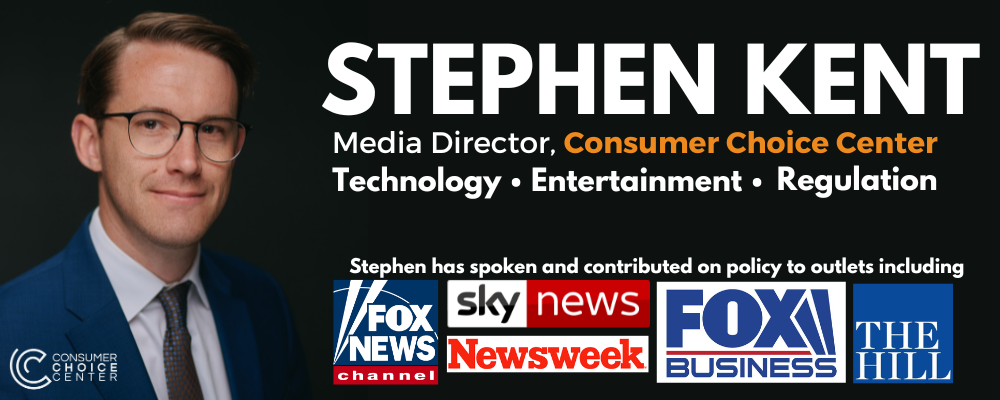
Stephen Kent is media director for the Consumer Choice Center. Follow him on X @stephenkentx