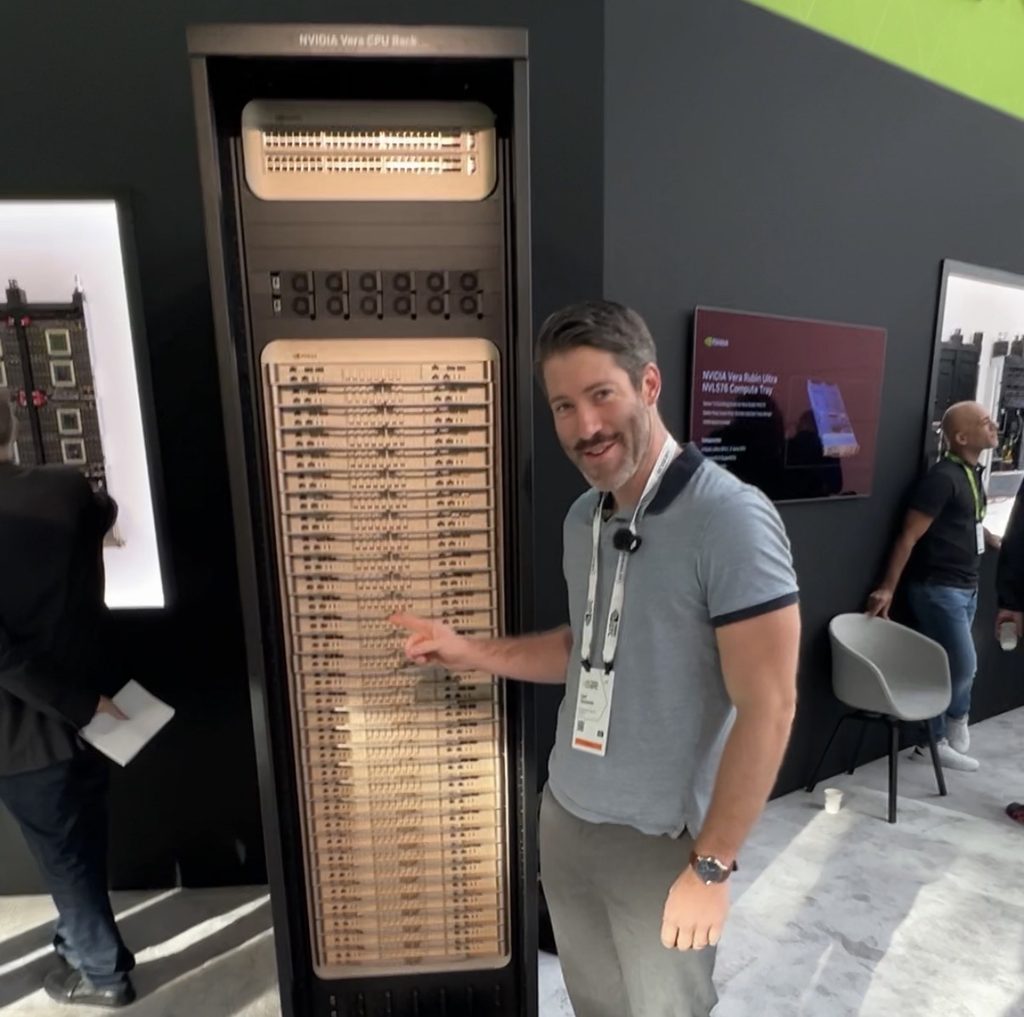

Robots folding laundry. Camera-enabled microducks doing somersaults on demand. And the most powerful commercially available computing power etched onto semiconductors measured in nanometers.
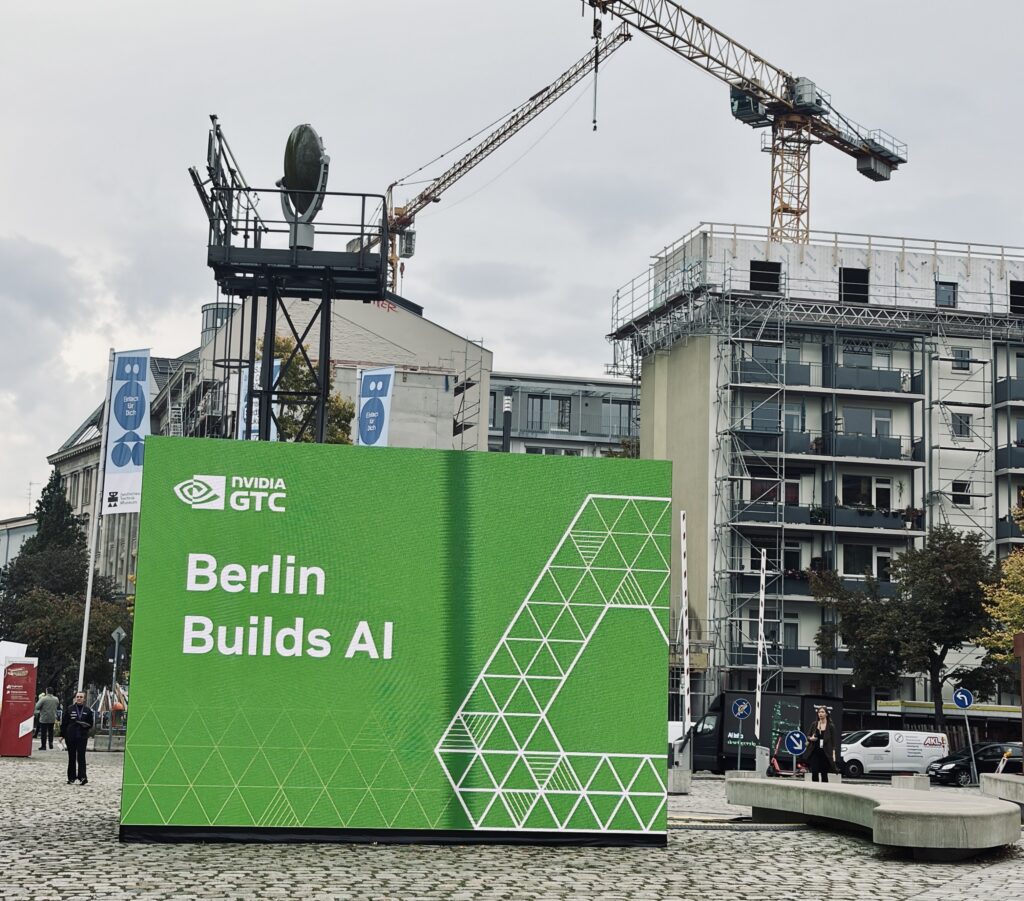
I saw it all last week at NVIDIA’s GTC Berlin, the computing giant’s flagship conference in Europe.
As a consumer and tech advocate who dabbles in AI tools and every type of computer I can get my hands on, it was the closest I could get to Comiccon-style experience.
The Future is Here, If You Want It
The innovations on display ranged from highly complex machines that can compute hundreds of tokens within seconds to the cutting-edge software that is being deployed by governments and large corporations to defend their physical and digital infrastructure.
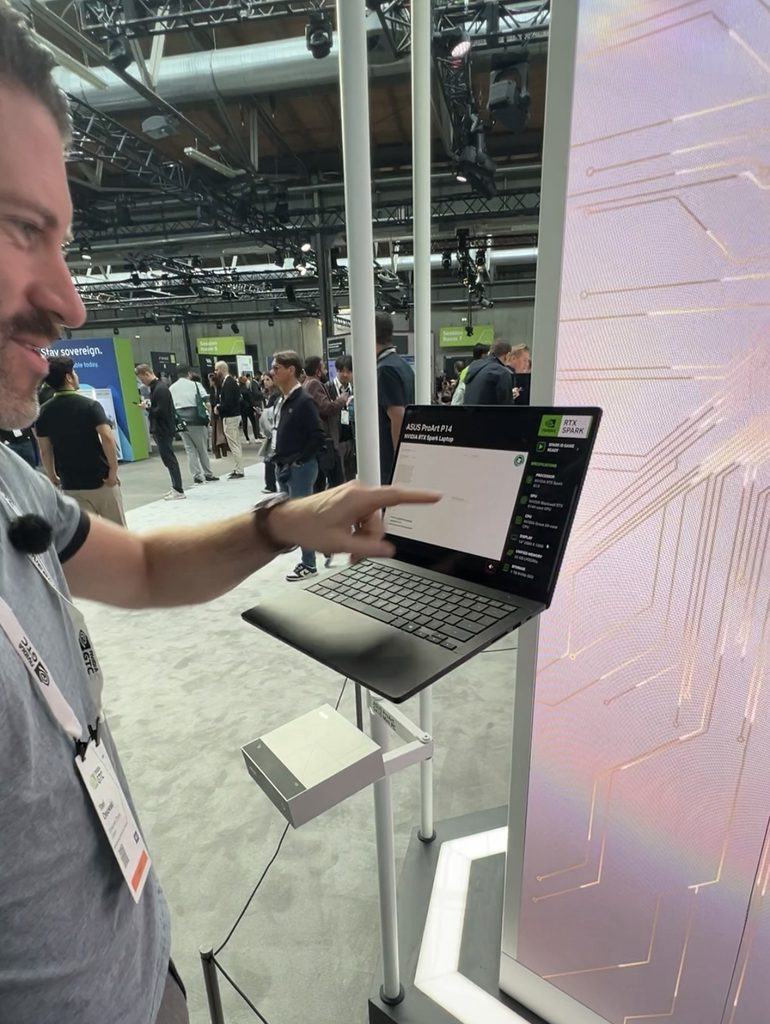
Jensen Huang, NVIDIA’s CEO, is the figurehead host of the event and kicked it off with a wild live demo of robotic microducks who answered his beck and call, trained on a single RTX Spark laptop.
Like most of the event, what really pumped the crowd (and the comments online) was Jensen used a slew of open-source tools and apps to get the job the done. He used Hermes agent as his harness to run his prompts and GPT’s Astra model to train his microducks. Various apps and language models from different companies were injected in the workflow to bring the presentation to fruition.
This wasn’t an NVIDIA sales job, but rather a presentation of how products and software from smaller startups can work together to create something creative and valuable.
Europe Loves AI
The message of the event beyond the flashy tech and the eye-popping UX of new consumer apps was that Europe has a core of technology innovators who are creating the future.
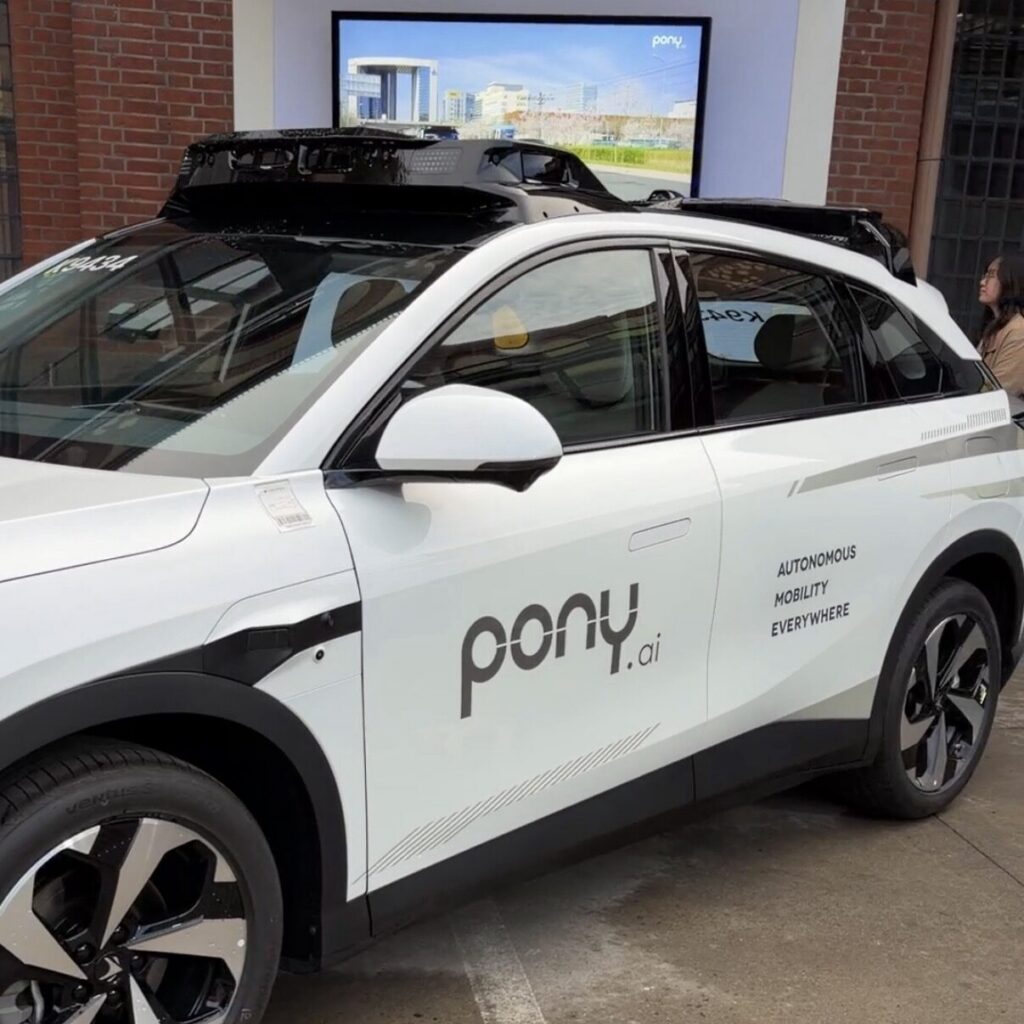
Some of the brands are those we already know: Siemens, Mercedes, Volvo, Revolut. Most of them, however, were upstart companies with something to provide users and businesses that just didn’t exist more than five years prior.
What made the demo floor so fascinating, for example, is that every type of European was behind a booth demonstrating a product or service.
There were coders from Germany displaying their quantization algorithm for shrinking open-source AI models to fit local computers and French lads showing off their new battery tech for humanoid robots that could last for weeks instead of days. A group of Bulgarian technologists showed their financial dashboard tracker that could balance the books of any company within minutes.
There is so much hidden talent and genius.
So many of these innovators are not those who get the best headlines or media attention in their own capitals and countries. Often, it’s the larger companies that can hire the right consultants, attract the politicians to trumpet their products, or can get the splashy investments from global VC firms.
GTC, though, was the perfect location to highlight them all.
A Plethora of Choice to Come
I’ll be the first to admit that many of the innovations won’t be for me.
Many of the products or services were geared toward businesses and enterprises who want to enter the AI age. Others were directly pitched toward governments who want to take the digital leap to secure data and streamline their own processes. If that can work, it’s a win for taxpayers and residents, but as a consumer I could care less.
Even so, the conference served as a platform more than just a showcase. There were sessions on running local AI agents and bots, how to run private inference on home computers (my favorite), and how AI apps can be used to better protect information for patients in healthcare systems. Straight.Into.My.Veins. This is the future I want.
We know that many of these will take some time to reach mainstream adoption. Many people will be first to the tech while others will take some time to find a way to make them useful in their own lives.
Regardless, open technology promises more than just impressive booth tricks. These are real improvements that will solve problems and deliver value, and they’re becoming more available, more affordable, and more present than ever.
The future is beautiful, hop on in.